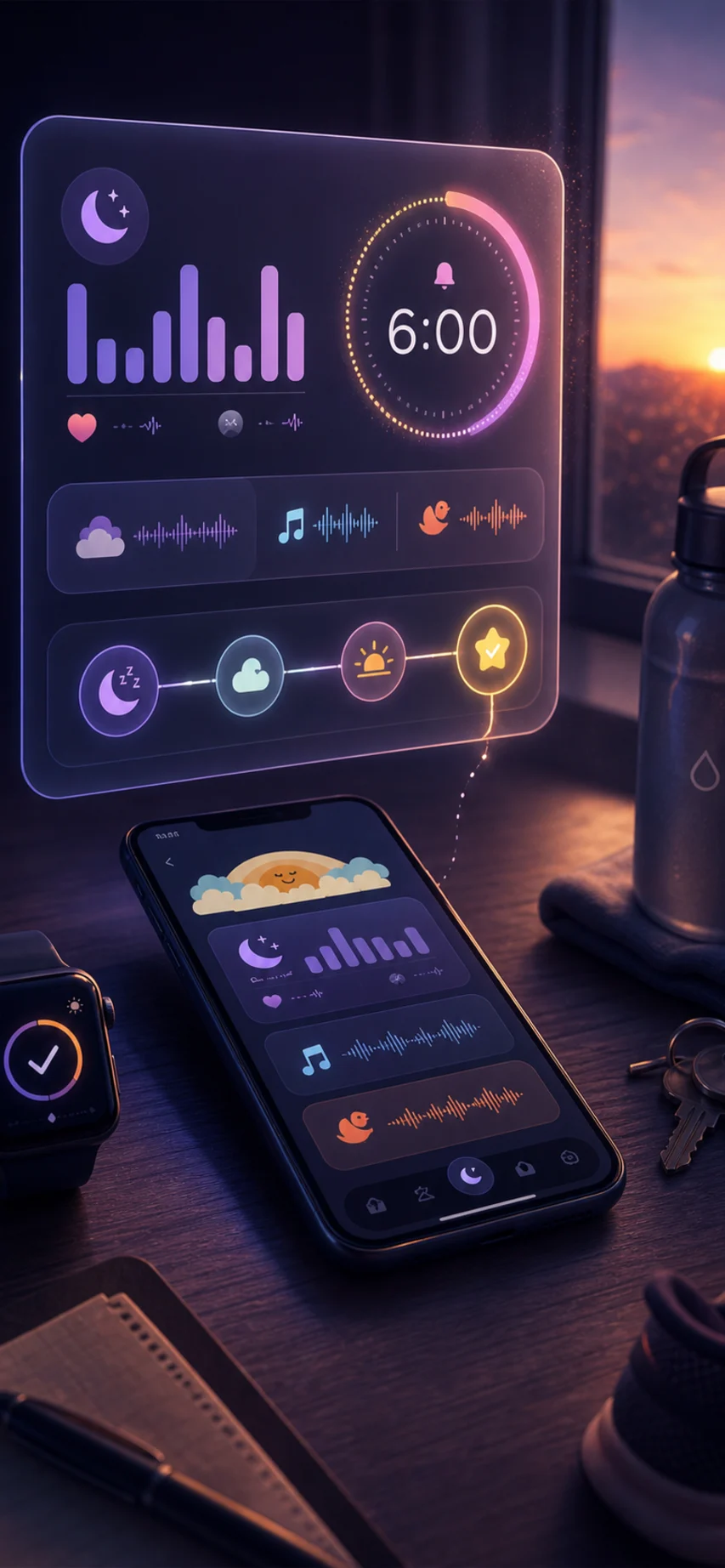
Shift bedtime and waking a little in advance if you can, get morning light after the change, and keep the first day simple. Check every clock and alarm tonight.
One hour can land at the wrong end of a short night
The spring change removes an hour when many people were already not getting enough. The autumn change can still disturb timing even though the clock offers an extra hour. You aren't ridiculous if Monday feels strange.
Move sleep by fifteen or thirty minutes for a few days when possible. Update travel and work times, and check devices that don't change automatically.
Use light and a gentler first day
Get daylight after waking and keep the evening calmer. Avoid using an extremely early backup alarm out of anxiety; verify the settings once and let yourself sleep.
Be careful with driving when you are sleepy, especially after the spring change. Riso can hold the new clock time, but your body may need several days to make it feel normal.
Common questions
Do phones change automatically?
Most do, but verify the time zone and alarm behavior before an important morning.
How long does adjustment take?
It varies. Many people feel better within days, while sleep loss and individual timing can extend it.
Sources & further reading
We use primary public-health guidance and original research where the topic makes factual claims about sleep. Sources are reviewed for relevance, not used as decoration.
